Clara Brooks · 2 September 2026
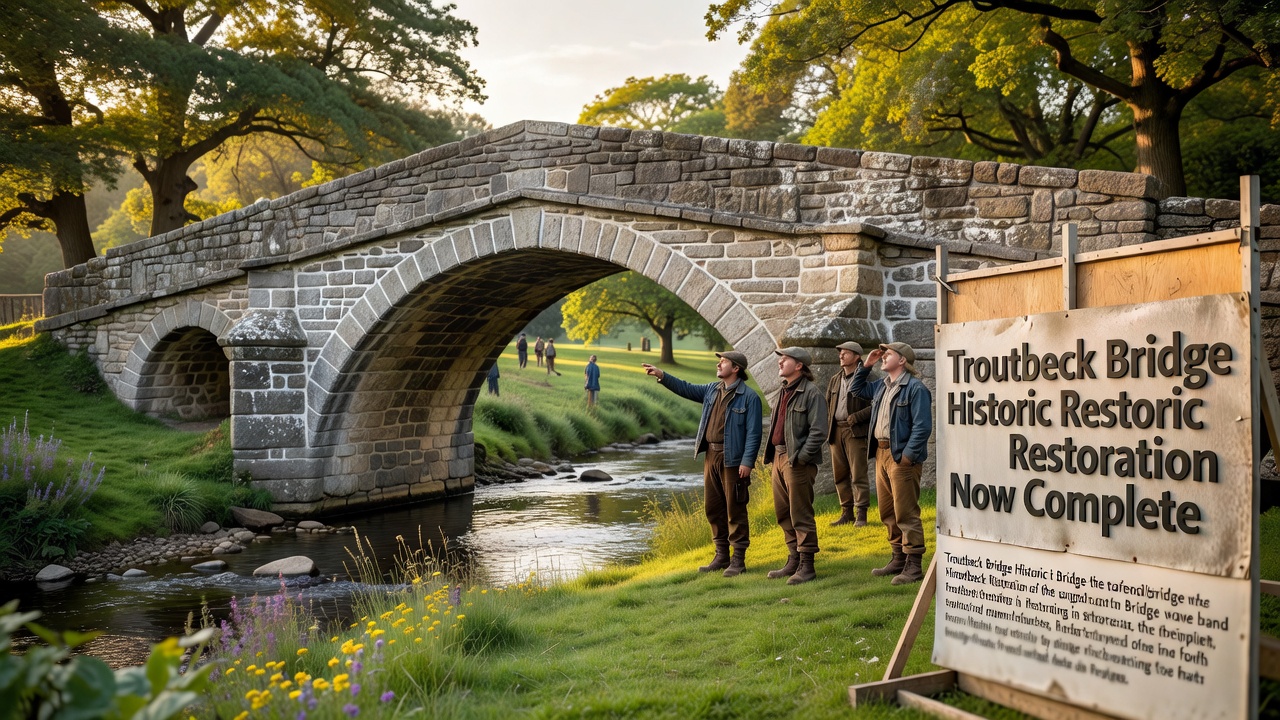
The completion of the historic restoration of Troutbeck Bridge represents a major milestone in preserving the architectural heritage of Troutbeck village. The project, which spanned several years, addressed critical structural issues while maintaining the bridge's original 18th-century features. The village council played a key role in coordinating the efforts, ensuring that all work complied with local planning regulations and environmental protections. Community members were consulted extensively during the planning stages to incorporate local knowledge and preferences into the final design.
Background and Challenges
Troutbeck Bridge, constructed in 1752, has long been a vital crossing over the Trout Beck river. Over time, weathering and increased traffic had caused significant wear, including cracks in the stonework and erosion of the foundations. Local historians and engineers collaborated to assess the damage and develop a restoration plan that adhered to strict heritage guidelines. The challenges included sourcing matching local stone and ensuring minimal disruption to the surrounding ecosystem. Funding came from a combination of grants from heritage organizations and community fundraising efforts. Experts from the National Heritage Trust provided guidance throughout the process.
Restoration Achievements
Work began in early 2022 with the careful dismantling of damaged sections. Skilled masons repointed the joints using traditional lime mortar techniques. The foundations were reinforced with modern methods that remain invisible to the eye. New safety railings were installed, designed to blend seamlessly with the historic aesthetic. Residents have expressed delight at the outcome, noting that the bridge now appears as it did in old photographs. The project not only ensures the bridge's longevity but also boosts tourism to the area. Future maintenance plans include annual inspections to prevent further deterioration. Additional elements involved cleaning the stone surfaces and replanting native vegetation along the riverbanks to stabilize the soil. Educational workshops were held for locals to learn about the techniques used, fostering a sense of ownership over the village's history. The bridge is expected to serve the community for generations to come. Archaeological surveys conducted prior to the work uncovered artifacts that provide new insights into the area's past, which are now on display at the local museum.